The Ultimate Guide to IPTV Middleware in Canada (2026 Edition)
Published on July 22, 2026 • 6 min read • Written by Xtream View Tech Team
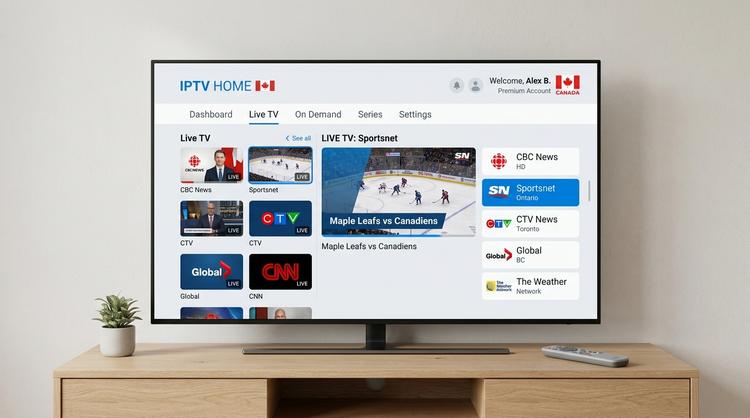
Streaming television over the internet has evolved. In Canada, many users have moved away from slow traditional cable packages to modern internet television configurations. But to get a buffer-free, high-quality experience, understanding how the underlying technology works is essential. This is where IPTV middleware and server portals come into play.
What is IPTV Middleware?
IPTV middleware acts as the translation layer between raw stream databases and user player applications (like TiviMate or XCIPTV). It manages catalog indexing, EPG configurations, and connection routing. Without a high-speed middleware, players struggle to index thousands of channels, leading to slow startup times, incorrect program schedules, and playback failures.
Why Canadian Streamers Need High-Performance Relays
Canadian ISPs (Internet Service Providers) in cities like Toronto, Montreal, and Vancouver often practice traffic shaping. During popular live events (such as NHL hockey games or global football finals), ISPs detect heavy video packets and throttle download rates.
An optimized server portal uses CDN (Content Delivery Network) load-balancing layers. By mapping your connection through private proxy nodes, your traffic appears as general web traffic, successfully bypassing ISP throttling filters and maintaining 4K stream continuity.
Step-by-Step setup on TiviMate
TiviMate is currently the leading player for Android-based hardware. Follow these steps to configure your middleware portal connection:
- Install TiviMate from the Google Play Store or Firestick AppStore.
- Navigate to Settings > Playlists > Add Playlist.
- Select Xtream Codes parameters.
- Enter your portal address details and authentication credentials provided upon license registration.
- Let the guide index download (this can take up to 2 minutes depending on the connection speed).
Quick Tip for Canadian Users
Always choose a server configuration that uses local Canadian edge nodes (such as Quebec-based server relays) to keep latency low.
Conclusion
A stable IPTV setup requires a balance of three things: high-speed fiber internet, a premium player application, and high-performance server portal configuration. Investing in a solid middleware ensures you enjoy your favorite broadcasts in 4K resolution with zero lag.
📚 Related Streaming Articles & Guides
📍 Canadian Regional Server Index
Deploy buffer-free portal configurations in your local city: